New report highlights women’s experiences of the political journey in Wales
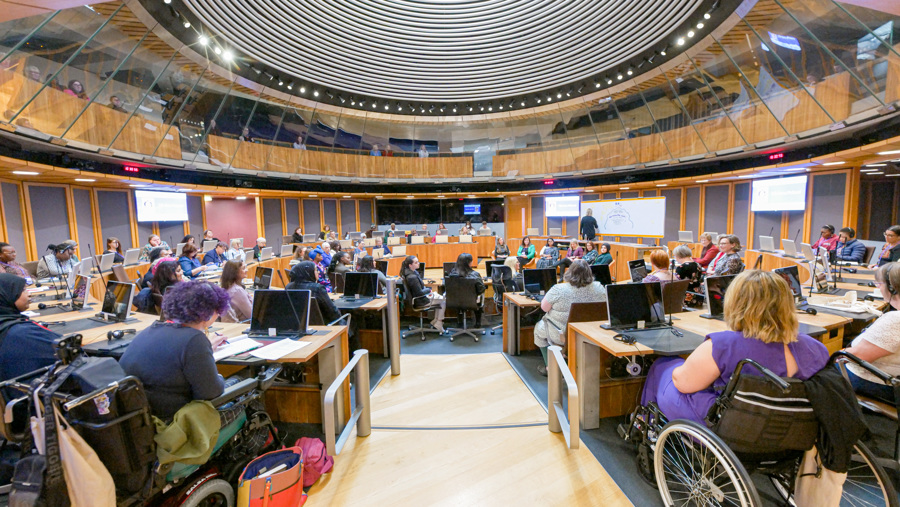
As the first legislature to achieve gender balance in 2003, the Senedd has been a trailblazer for women’s representation globally. However, women currently account for just 43% of its members. Following the withdrawal of the Senedd Cymru (Electoral Candidate Lists) Bill, there is a risk that the next Senedd could have the lowest level of women’s representation in the history of devolution.
Our new report, Women’s Experience of the Political Journey in Wales, draws on a series of in-depth, one-to-one interviews conducted with women from major political parties in Wales between September and October 2025. These interviews captured experiences across Westminster, the Senedd, and local government, and included women at different stages of their political journeys, from those at the early stages to those who had progressed into senior political roles.
This report examines women’s experiences of the political journey in Wales and highlights factors that influence their participation and progression across different levels of government. Specifically, it covers:
- The role of political parties in supporting women’s political involvement.
- Barriers related to mentorship and training, caring responsibilities, and financial constraints.
- The prevalence of harassment, bullying, and intersectional discrimination.
- Factors that enable women to navigate political careers successfully.
- Recommendations for political parties to improve diversity, inclusion, and representation.
From this analysis, the report provides practical recommendations across four key areas for supporting women’s political participation:
- Caring responsibilities: childcare support, bursaries, flexible working, and job-sharing options.
- Harassment and bullying: clear reporting procedures, legal and counselling support, online safety training, and mandatory equality and anti-discrimination training.
- Financial barriers: transparency, bursaries, fundraising assistance, and inclusive reimbursement strategies
- Mentorship and training: structured programs, shadowing, peer support, and clear guidance.
- Diversity and inclusion strategy: develop, implement, and publish clear Diversity & Inclusion (D&I) strategies, in line with Welsh Government guidance, to foster inclusive cultures, set measurable targets, and ensure accountability for progress.